Principle
A border is a transfer with paperwork
Crossing a land border is rarely difficult, but it is rarely quick to improvise either. You leave one transport system, pass two sets of officials and then need a way onward from a place that may be a long way from anywhere useful. The best crossings line these steps up neatly. The worst leave gaps you fill with expensive taxis and guesswork.
Before committing to a crossing, check three things: whether it is open to foreign travellers, what document or visa arrangement applies to your nationality at that specific post, and what transport waits on the far side. Rules differ between crossings in the same country, and they change. Recent years have seen e-visa systems introduced, digital arrival forms added and, in some places, land borders closed at short notice for political or security reasons. Always confirm with official government sources close to your travel date.
Malay Peninsula
Singapore, Malaysia and southern Thailand
The Johor–Singapore Causeway is one of the busiest land crossings in the world. The Shuttle Tebrau train runs between Woodlands Train Checkpoint and JB Sentral in minutes, with immigration at the stations. Cross-border buses are frequent but face long queues in commuter peaks. The RTS Link, a rail project between Woodlands North and Bukit Chagar, is planned to change this crossing; check its opening status when you plan.
Further north, Padang Besar handles rail traffic between Malaysia and Thailand, and the road crossing at Bukit Kayu Hitam–Sadao serves buses heading for Hat Yai.
Mekong region
Thailand, Laos, Cambodia, Vietnam and China
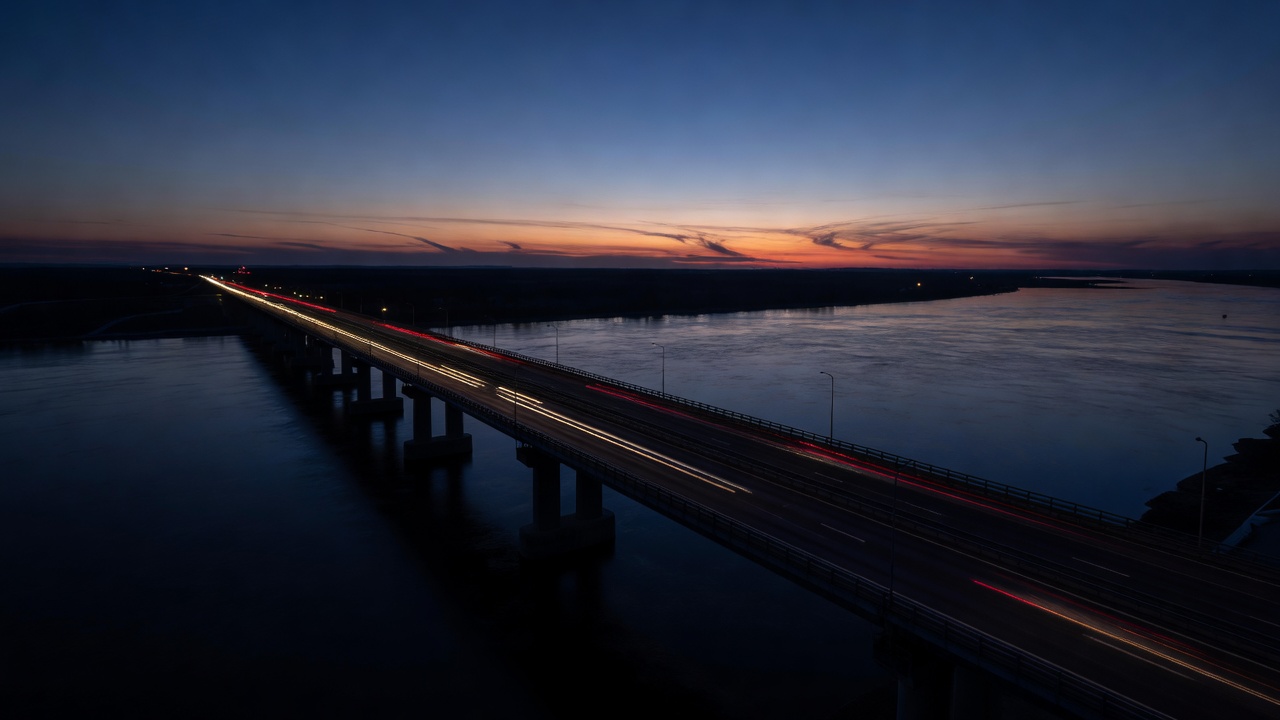
The First Thai–Lao Friendship Bridge between Nong Khai and Vientiane is the classic overland entry to Laos, by shuttle train or international bus. From Vientiane, the Lao–China Railway heads north through Luang Prabang to the Boten–Mohan border, where cross-border passenger trains continue into Yunnan.
Between Ho Chi Minh City and Phnom Penh, buses typically use the Moc Bai–Bavet crossing, with staff often collecting passports for processing. The Thai–Cambodian crossings, including Aranyaprathet–Poipet, have historically been busy routes towards Siem Reap and Angkor, but land crossings between the two countries have closed at short notice in recent times. Treat their status as something to verify, not assume.
| Crossing | Typical mode | Onward link | Watch for |
|---|---|---|---|
| Woodlands – Johor Bahru | Shuttle train or bus | JB Sentral for Malaysian trains and buses | Peak-hour queues; limited train seats |
| Nong Khai – Vientiane | Shuttle train or international bus | Vientiane for the Lao–China Railway | Station is outside the city centre |
| Boten – Mohan | Cross-border train | Kunming and China's rail network | Ticket availability; Chinese visa rules |
| Moc Bai – Bavet | International bus | Phnom Penh | Agents' fees; e-visa requirements |
| Lo Wu / Lok Ma Chau – Shenzhen | MTR to the boundary, then walk | Shenzhen Metro and rail | Weekend crowds |
Itinerary sketches
Three routes where the connections do the work
 2–3 weeks
Bangkok to Kunming
- Sleeper train Bangkok to Nong Khai
- Shuttle across the Friendship Bridge to Vientiane
- Rail north to Vang Vieng and Luang Prabang
- Cross-border train via Boten into Yunnan
 2 weeks
Singapore to Bangkok
- Shuttle Tebrau to Johor Bahru
- Malaysian rail to Kuala Lumpur
- ETS north to Butterworth for Penang
- Via Padang Besar to Hat Yai, then north to Bangkok
 10–14 days
Seoul to Osaka
- KTX from Seoul to Busan, with a stop at Gyeongju
- Ferry from Busan to Fukuoka
- Shinkansen to Hiroshima
- Onward to Osaka and Kyoto