Why rail
Let the train earn its place
Trains in Asia range from bullet-fast to gloriously slow, and both have a place in a multi-country route. The mistake is treating every rail leg the same. Ask what a given train replaces. An overnight sleeper replaces a hotel night and a morning of travel. A scenic day train replaces a sightseeing day. A high-speed line replaces a flight and its airport transfers. If a train replaces nothing, it may simply be the slowest way to get somewhere.
Rail also solves the awkward middle better than most modes. Stations tend to sit in city centres, many border crossings by train include immigration at or near the platform, and you can walk around, eat and rest. The cost is rigidity: fixed departures, limited berths and the knock-on effect of delays. The guide below helps you decide where that rigidity is worth it.
Southeast Asia
Corridors that link countries
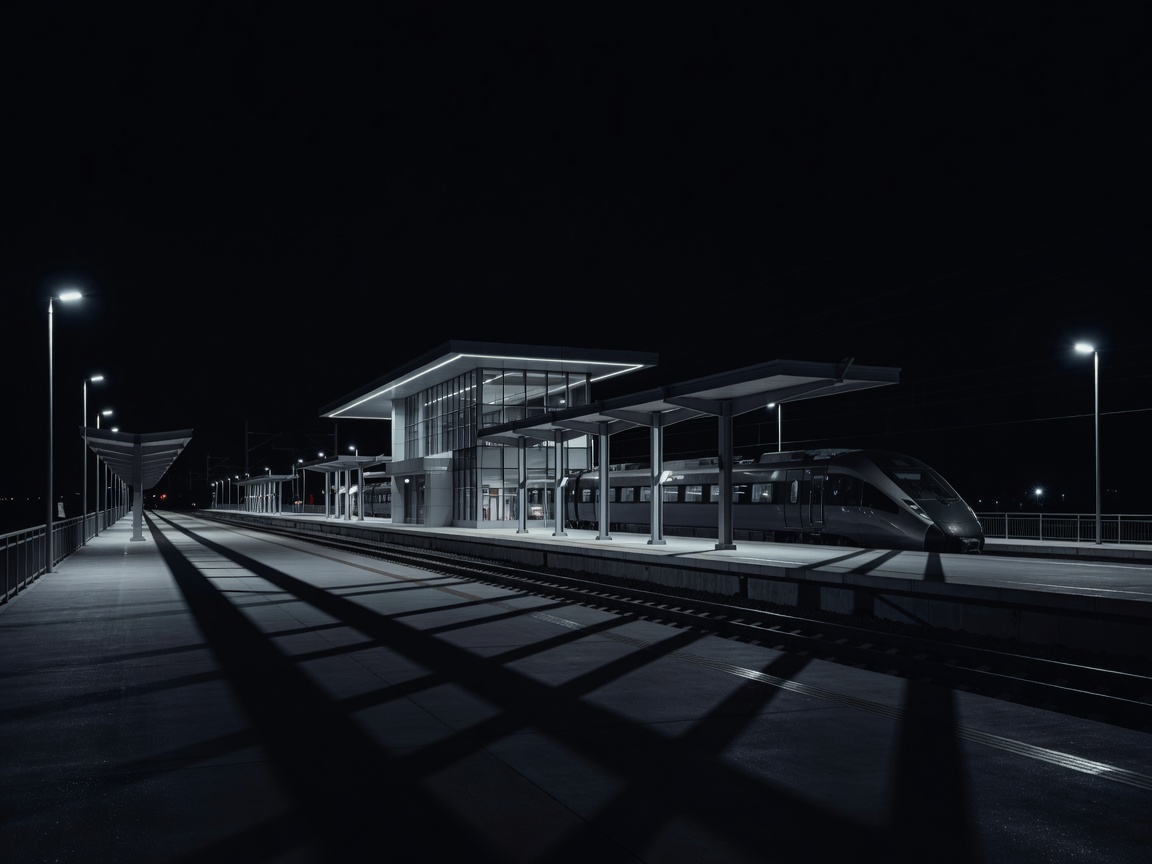 Laos · China
Lao–China Railway
Opened in 2021, it links Vientiane, Vang Vieng and Luang Prabang with the border at Boten and onward to Kunming. It turned a long mountain road journey into a few hours. Tickets can sell out; book as early as sales allow.
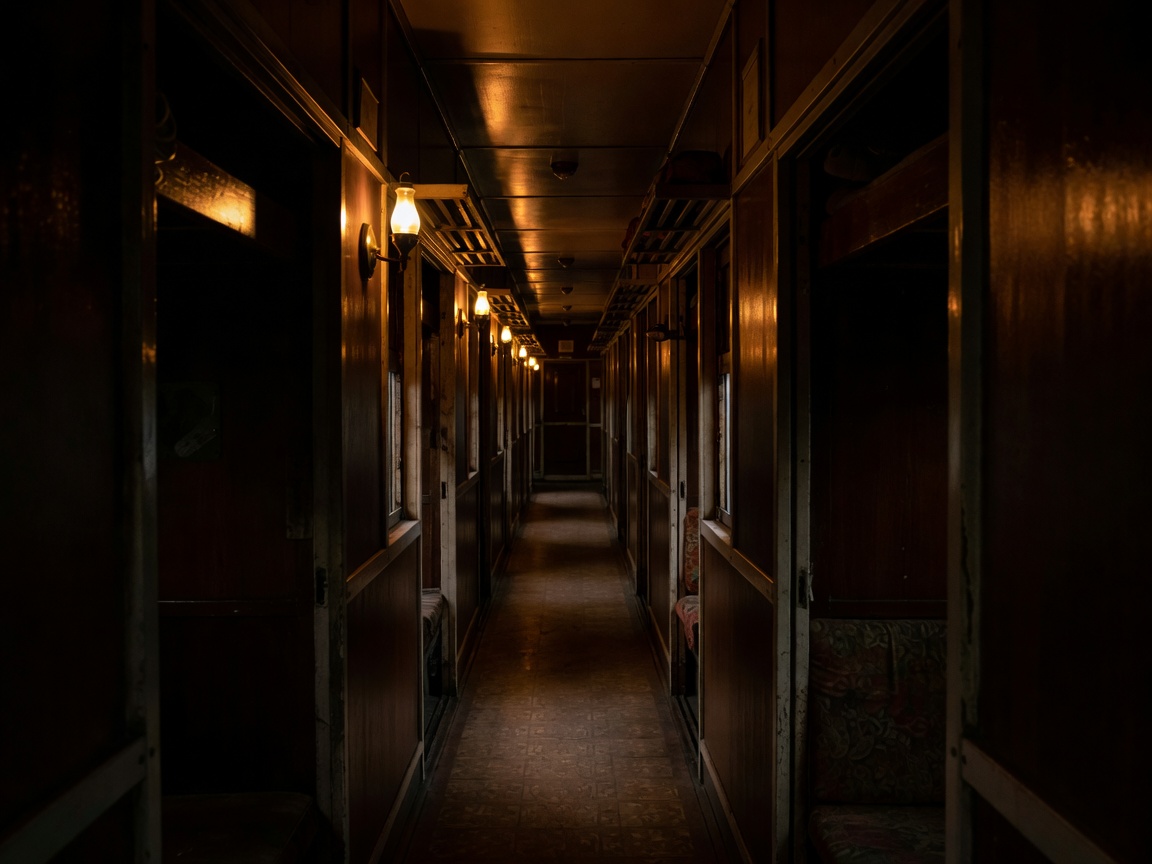 Vietnam
Hanoi to Lao Cai and the Reunification line
The overnight train to Lao Cai is the classic gateway to Sapa. The north–south line between Hanoi and Ho Chi Minh City crosses the coast near the Hai Van Pass, best seen in daylight between Huế and Da Nang.
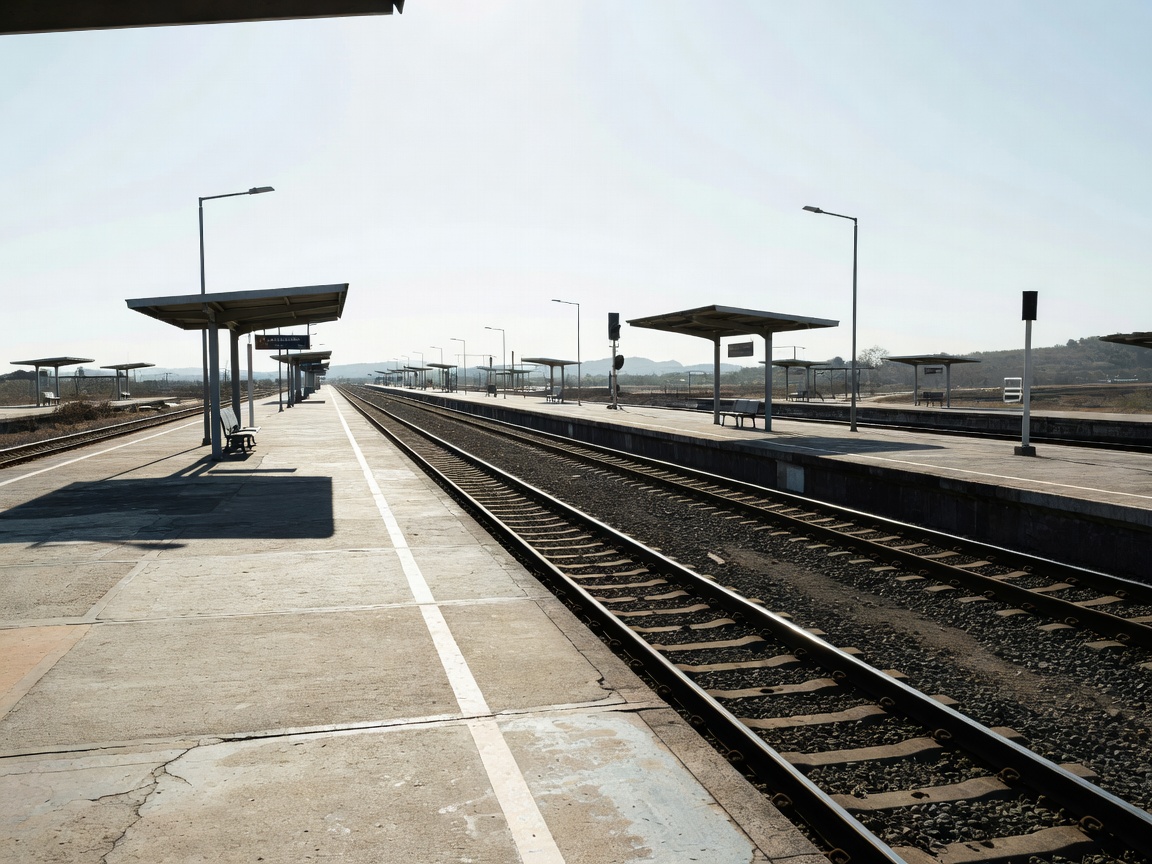 Thailand · Malaysia
Through Padang Besar
Malaysian ETS trains reach Padang Besar, where Thai services continue towards Hat Yai. It is a useful rail stitch between Penang and southern Thailand. On the Malaysian side, the Jungle Railway from Gemas to Tumpat offers a slower interior alternative.
South Asia
Mountain lines worth the slow pace
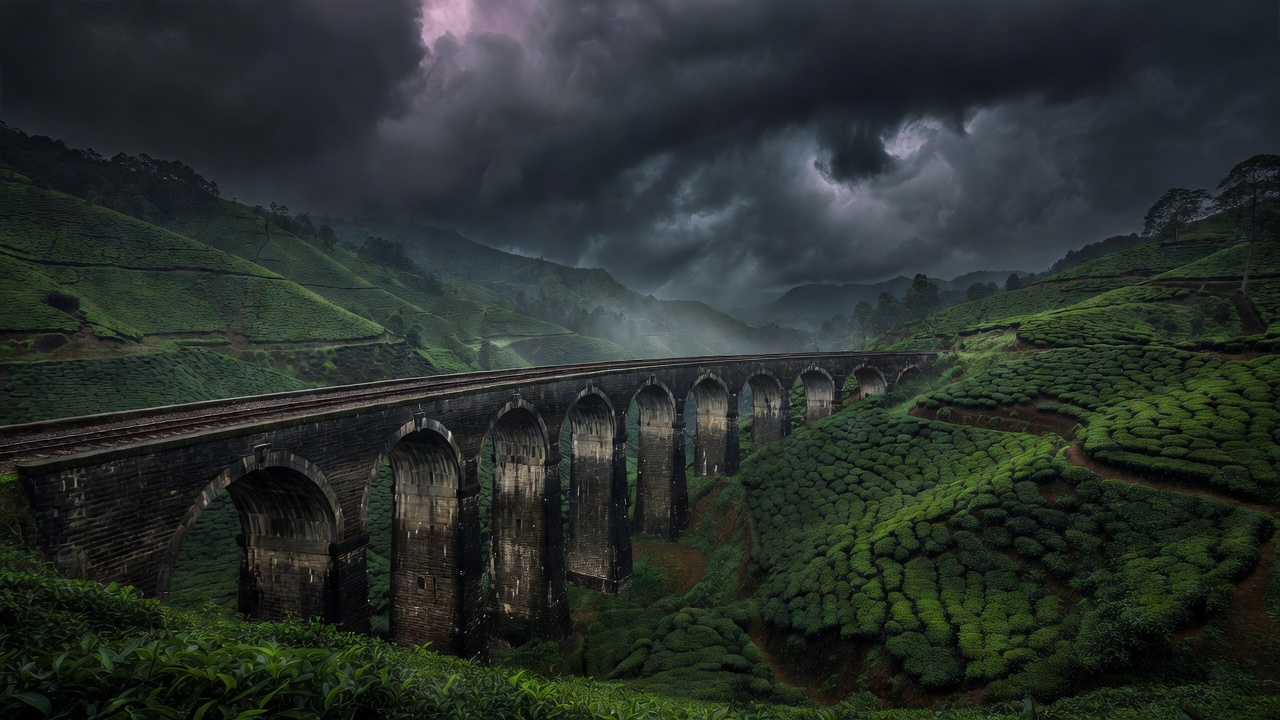
Sri Lanka's line from Kandy to Ella climbs through tea country and crosses the Nine Arch Bridge near Demodara. Reserved seats in the observation and second-class carriages are in heavy demand, so decide early whether you want certainty or are happy to try unreserved carriages.
In India, the Mountain Railways of India are a UNESCO World Heritage property that includes the Darjeeling Himalayan Railway, the Nilgiri Mountain Railway and the Kalka–Shimla Railway. These are experiences more than connections: slow, narrow-gauge and frequently booked out on scenic services. Use them as destinations within your route, with road or mainline rail for the real distance.
East Asia
Fast lines and scenic detours
Korea's KTX links Seoul and Busan in a few hours, making Busan a natural springboard for a sea crossing to Japan. In Japan, the Shinkansen network makes city-to-city travel easy, but after the national rail pass price rose sharply in 2023, it is no longer a default purchase. Regional passes or individual tickets are often better value for shorter routes. In Taiwan, the high-speed line runs down the west coast while the South-Link Line wraps around the south towards Taitung, an excellent way to close a round-island loop.
| Rail type | Best used for | What it replaces | Main risk |
|---|---|---|---|
| Overnight sleeper | Distances of 600–1,000 km | A hotel night and a travel morning | Limited berths; late arrival affects onward plans |
| Scenic day train | Mountain and coastal sections | A sightseeing day | Sells out; slow if you need to make up time |
| High-speed rail | City pairs under about 800 km | A short-haul flight | Higher fares; less of the landscape at speed |
| Heritage narrow-gauge | Destination experiences | Nothing practical; it is the outing | Seasonal cancellations and slow timings |
Booking
Make the booking match the plan
Book the hard-to-get legs first: sleepers, cross-border trains and famous scenic services. Then build flexible legs around them. Use the official operator's website where possible, and if you use an agent, check which ticket you actually receive and whether it needs printing. Save confirmations offline, because station Wi-Fi is never guaranteed.
Finally, leave slack after any train that ends at a border or a port. A late arrival is an inconvenience on its own; it is a problem when a ferry or an immigration counter is waiting on the other side.